Learning to Liberate.
Written alongside the doctorate-anniversary reflection — on the colonial design of “Native Higher Education,” the intellectuals who refused it, and why, for Black people, academic achievement is never a neutral act.
Original essays on political economy, historical memory, governance reform, and the social contract. Published here first. Extracts distributed on LinkedIn, Facebook, and X.
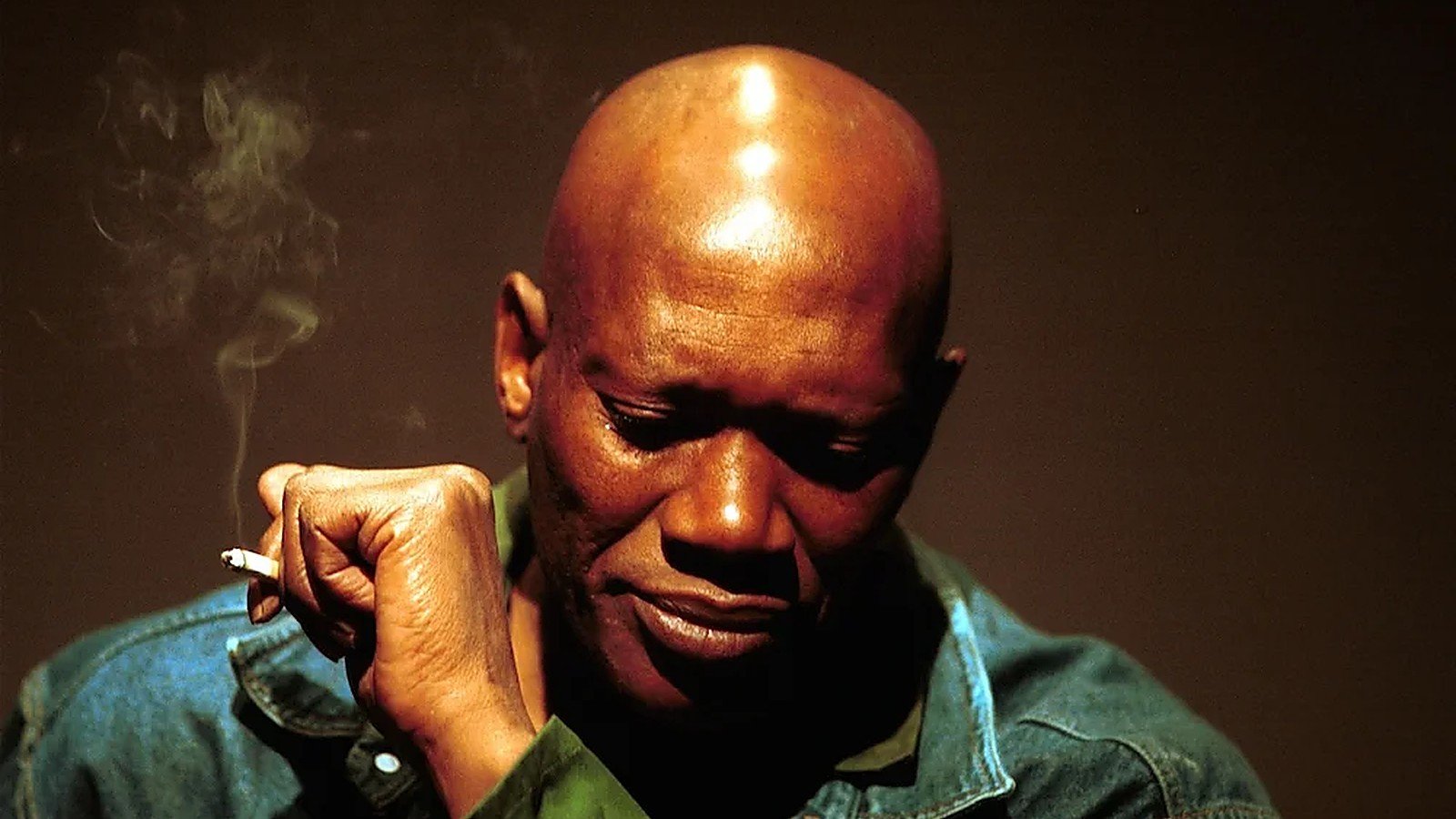
Marking Gibson Kente’s 23 July birthday — why the apartheid state, and after freedom the post-colonial state that jailed Ngũgĩ wa Thiong’o, feared the stage, and what that fear still asks of every government that follows.
Written alongside the doctorate-anniversary reflection — on the colonial design of “Native Higher Education,” the intellectuals who refused it, and why, for Black people, academic achievement is never a neutral act.
On the first anniversary of his doctorate, a reading of the official record — who earns South Africa's doctorates, in what fields, and what the numbers say about a continent learning to own its own knowledge.
On what would have been his 105th birthday, a tribute to Vusamazulu Credo Mutwa — the custodian who spent a century recording a nation's memory, and the question of who keeps that memory now.
Fikile Bam shared President Mandela's birthday, his prison, and a decade of his section on Robben Island — the jurist of land restitution, and the freedom the nation still owes.
On African Integration Day, Wole Soyinka's life shows the integration no trade treaty can sign — the shared imagination that must precede a common market.
South Africa's immigration crisis requires policy, not populism — a practical, constitutional and economically sustainable framework for migration governance, beyond deportation and beyond denial.