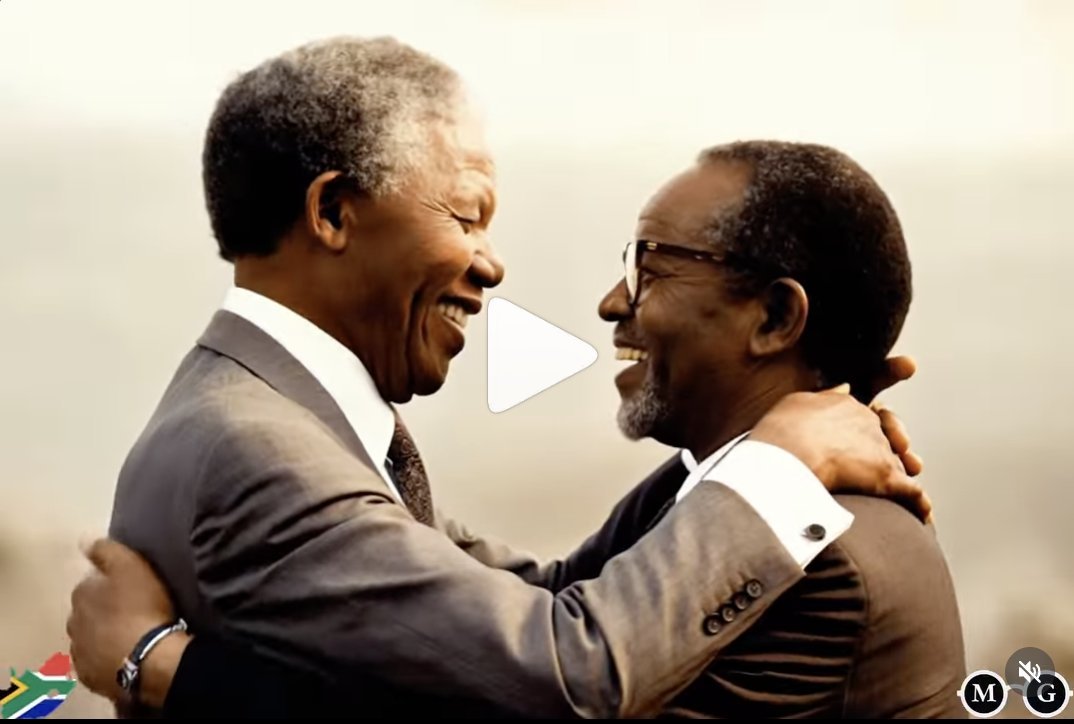
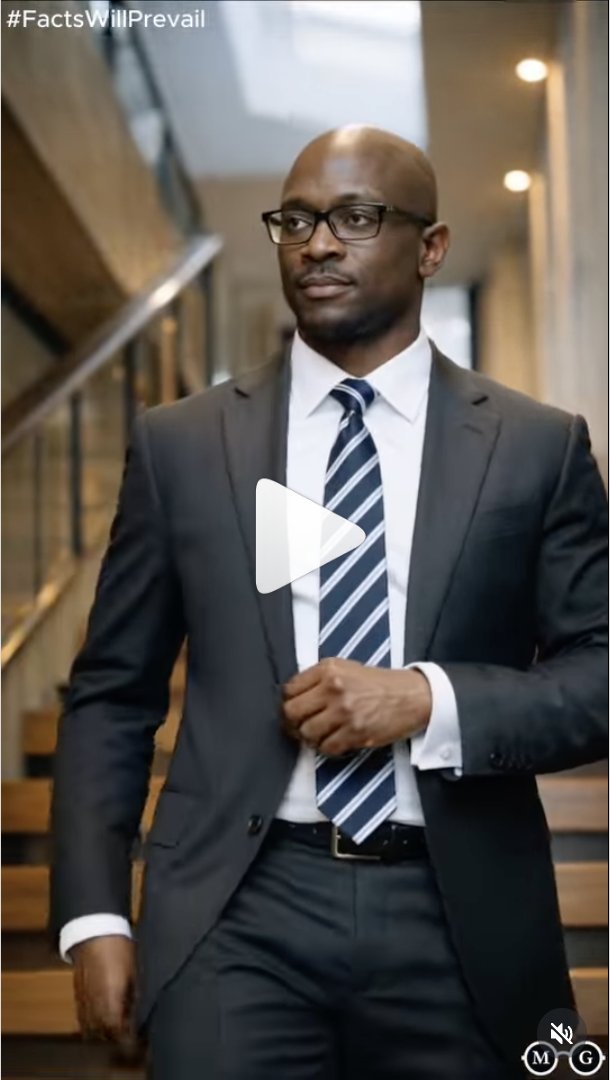
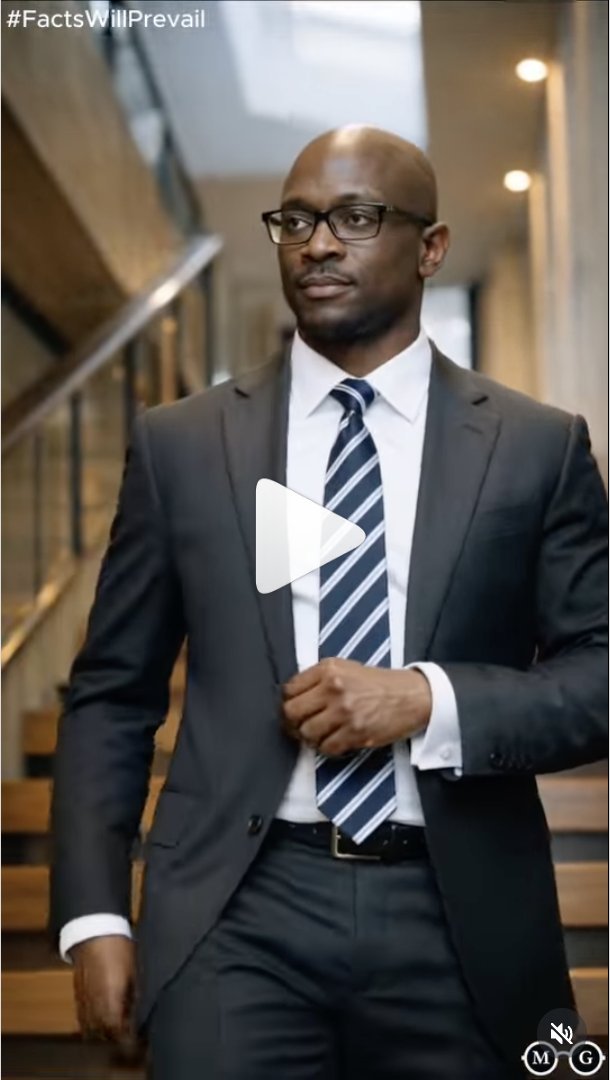
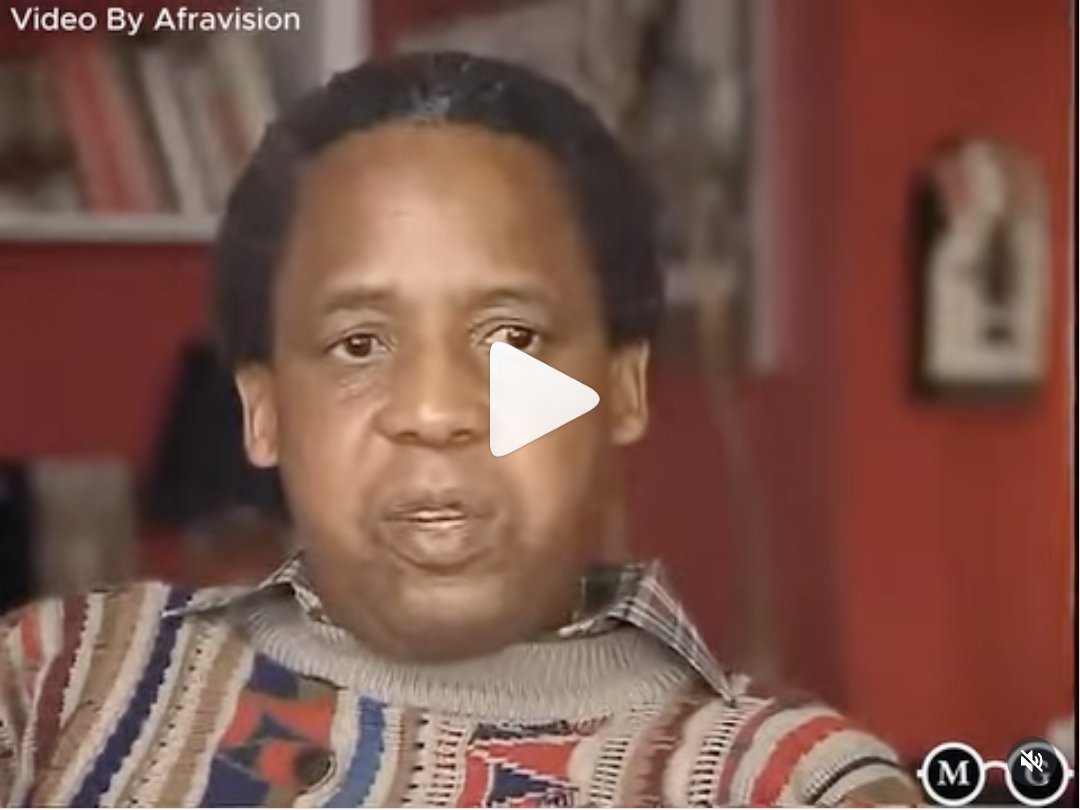
Over three decades in public life, documented · The future, by design.
More than thirty years in South African public life — and still more to say. Original essays, intellectual exchanges, a record I am willing to stand behind. South Africa first; Africa always in view. Come in.
“The future is not an accident. It is the consequence of disciplined, evidence-led work.”
— Dr Malusi Gigaba
§ 01 · Profile
A scholar-statesman whose public record speaks.
30+Years in public life
4Cabinet portfolios
4M+Smart IDs issued
PhDPublic Management & Governance · UJ 2025
Over three decades in public life — student activist, youth leader, Cabinet minister, parliamentarian, doctoral scholar.
My doctoral research turns that experience into scholarship: whether South Africa’s state-owned enterprises can be governed to serve both commercial discipline and their developmental mandate — and what the honest answer to that question requires.
South Africa is the proving ground. The African continent is always in view.
The Smart ID Card programme had launched before I took Home Affairs in 2014 — approximately 300,000 cards issued in its first year. By end of 2016, that figure had exceeded four million, issued across 178 offices nationwide. The green barcoded book was being replaced at scale.
When I took Public Enterprises in 2010, South Africa was advancing the most ambitious electricity infrastructure investment in its post-apartheid history: the R340 billion Eskom expansion programme, building Medupi, Kusile and Ingula simultaneously. At peak construction, 17,000 workers were on site.
From the G20 Finance Ministers’ table to Davos, I engaged the forums where the global economy is shaped and South Africa’s position within it is argued. As Home Affairs Minister, the mandate shifted to migration governance, SADC coordination, and refugee policy.
Co-Chair of the Joint Standing Committee on Defence — the parliamentary committee established under Section 228(3) of the Constitution, mandated to oversee the SANDF’s capability planning, continental peace missions, and the civilian accountability of the security services. A notable intervention: the Committee’s strong advocacy for an increased SANDF budget in future financial years, which received the President’s commitment.
Writing in public life is not performance. It is discipline. Before argument, there is logic. Before logic, there is thinking. Writing is how both are built and tested. Publishing regularly since 2025 on political economy, the social contract, governance reform, and the questions that will define where South Africa goes next.
Conferred a PhD in Public Management and Governance by the University of Johannesburg in 2025. The doctoral question — whether South Africa’s public institutions can be governed to actually serve their mandates, in conditions always contested and never politically neutral — is one I worked on across three decades in office.
Anchoring Youth Economic Inclusion in the National Agenda
Led the ANCYL’s national advocacy for Black Economic Empowerment and economic transformation — placing youth economic inclusion at the centre of the ANC’s policy agenda during three consecutive terms as ANCYL President (1996–2004). The Broad-Based Black Economic Empowerment Act was enacted in 2003.
In Her Own Right: Lilian Ngoyi and the Story We Have Not Yet Told.
On her 115th birthday, Dr Malusi Gigaba on the life of Lilian Ngoyi — seamstress, trade unionist, and the first woman on the ANC’s National Executive Committee — and why we named a street after her but never told her story.
Heritage Day 2026. Dr Malusi Gigaba on three developments that tested whether we still believe the constitutional answer we wrote — and what our silence says about us.
Hendrik Verwoerd was born 125 years ago this month. Dr Malusi Gigaba on what he believed, what he wrote into law and into the classroom, and why so much of his design is still with us.
The dates I mark this month — drawn from the African intellectual, political, and cultural record.
3 Sep
1984 · 42 years
The Vaal Uprising
The township revolt begins at Sharpeville and runs to the end of the decade, carried by school students and young workers. It started over rent increases levied by black local authorities the state had installed — a government that devolved the collection of grievance without devolving the power to answer it.
7 Sep
1992 · 34 years
The Bisho Massacre
Ciskei Defence Force soldiers open fire on marchers, killing 28 people; a CDF soldier also died. It happened during the negotiations, and it shaped what followed.
8 Sep
2001 · 25 years
Durban Declaration at 25
The Durban Declaration and Programme of Action, adopted at the World Conference Against Racism held in Durban. Treated in “Durban at 25”.
10 Sep
1944 · first conference
The ANC Youth League elects its first President
Anton Lembede is elected President at the League’s first conference, at the Bantu Men’s Social Centre in Johannesburg, taking over from William Nkomo, who had held the chair provisionally and stood aside to finish his medical degree.
12 Sep
Biko 1977 · Cabral 1924
Biko and Cabral
Steve Biko died in police custody in Pretoria on 12 September 1977. Amílcar Cabral was born on 12 September 1924 at Bafatá in Guinea-Bissau. Both built institutions rather than only writing about them; neither lived to fifty.
15 Sep
UN · IPU 1997
International Day of Democracy
Marks the Universal Declaration on Democracy adopted by the Inter-Parliamentary Union in 1997.
22 Sep
Proclaimed 1960
The Republic of Mali
Proclaimed following Senegal’s withdrawal from the Mali Federation, which had become independent on 20 June 1960.
24 Sep
National public holiday
Heritage Day
Associated with Shaka Day in KwaZulu-Natal before becoming a national public holiday in the democratic settlement. It was not an apartheid-era national holiday. Guinea-Bissau proclaimed its independence on this date in 1973.
A working corpus, held on the public record. The keynotes I give at forums and institutions. In time, the exchanges too — dialogues and seminars with thinkers of every background and discipline, each documented and accompanied by the reading list it draws on.
A public forum convened on the proposition that South Africa needs doers rather than thinkers. Dr Gigaba declines the premise — that the dichotomy between the intellectual and the organic intellectual is artificial; that Africa’s political transfer of power was never matched by a transfer of economic resources; and that protracted fiscal austerity has left the social wage standing in for economic transformation.
A liberation not written down is a liberation that can be denied.
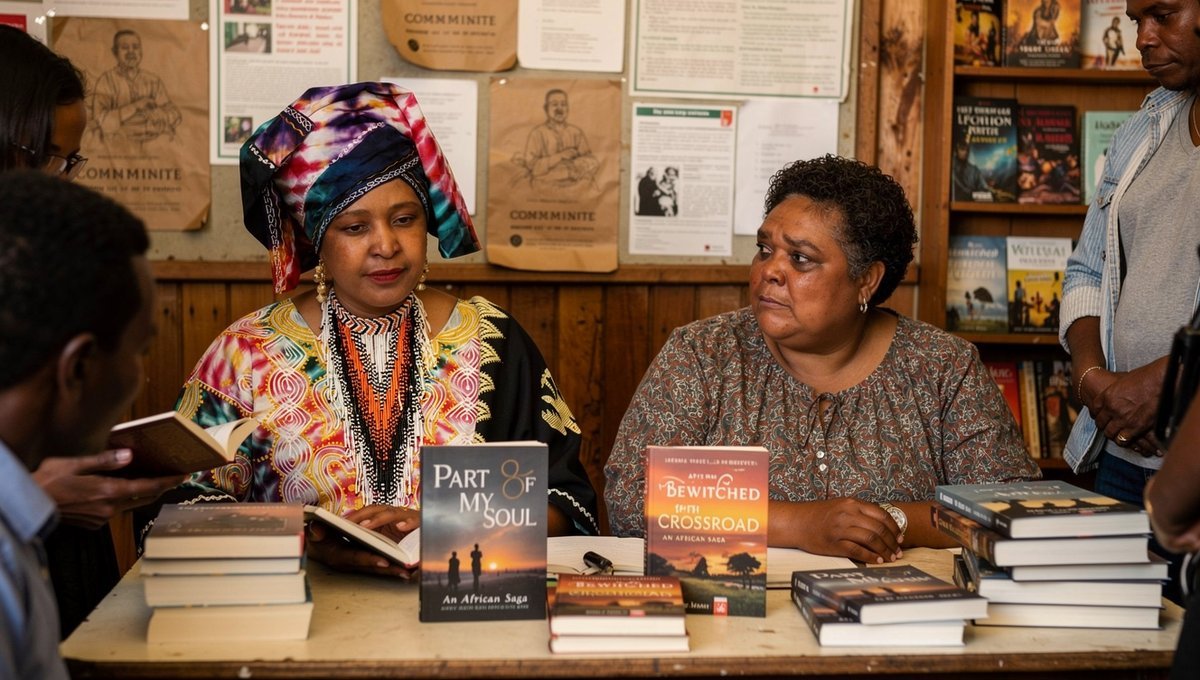
A keynote address delivered at the celebration of Itu Thage’s 30th birthday and the launch of her children’s book Travelling Through Time, May 2026. Dr Gigaba argues that activism and archivism are inseparable — that writing is not a retreat from the fight but a strategic fortification, and that only by writing their own history can activists ensure the soul of the liberation survives the telling.
A keynote address at the opening ceremony of the Pan African Leadership Forum, Johannesburg, December 2025. Dr Gigaba addresses the obligations of the current generation of African leaders — the demographic moment the continent is entering, the unfinished work of economic sovereignty, and the governance architecture required to convert Africa’s structural advantages into lasting development.
Dialogues
No dialogues on record yet. The two most recent will appear here when the programme opens.
The work travels best when the room is right. If you are convening around governance, public reform, African cooperation, or long-term planning — use this form. The Office will review and respond.
How it works
1
You submit the form
2
The team reviews (2–3 days)
3
The Office responds (≤5 days)
All four engagement types above are handled through this form.
Use the full form to give your request the best chance of consideration.
01
Keynote & public lecture
Long-form address (35–60 min) on governance, public reform, African cooperation, or the discipline of long-term planning.
02
Panel · moderation
Convening or anchoring panels at universities, civic forums, and continental gatherings — on the record, evidence-led.
03
Closed-door advisory
Private counsel for Boards, Cabinet committees, or institutional leaders working through reform programmes.
04
Media engagements
Print, broadcast, and long-form interviews. Submitted here, reviewed by the Office — on the record, in full.
§ 08 · Newsletter
I write. Four times a year.
Essays, reading notes, and the kind of thinking that doesn’t compress well into a social post. No advertising. No syndication. Your details stay with the Office.
An open library across seven areas of public discourse — substantive answers, not soundbites. If yours isn’t here, the Contact section below reaches the right desk.
01Your PhD research focused on SOE governance philosophy. What role should SOEs play in economic stability?+
My doctoral work examined state-owned enterprises as instruments of economic stability – not simply as service providers or commercial entities. Properly governed SOEs can stabilise key sectors (energy, logistics, defence) during market failures and provide counter-cyclical investment when private capital retreats.
However, this requires a clear ownership philosophy – a rare commodity in South Africa. Without it, SOEs become patronage tools, fiscal black holes, or ideological battlegrounds between privatisation and nationalisation extremes.
My research concluded that the middle path is viable: professionalised, commercially disciplined SOEs with a developmental mandate, operating under transparent governance codes and parliamentary oversight – comparable to Brazil’s BNDES or South Korea’s KEPCO in their reform eras. Economic stability flows from predictable, capable SOEs. The question is not “state vs. market”, but “how to make state ownership work where it is necessary.”
02You have said that state capture persists. What does that mean for our current reform efforts?+
State capture is not a historical event that ended with the Zondo Commission. It is a continuous risk – a systemic vulnerability whenever private interests can corrupt public decision-making for profit. We have seen new forms emerge: capture of procurement in local government, influence over regulatory bodies, and the revolving door between state entities and private firms that once looted them.
The fight against capture must be permanent, institutionalised vigilance. Concrete measures include real-time transparency in tender processes, protection for whistleblowers who expose new capture attempts, asset declaration and lifestyle audits for all senior officials, and independent prosecution capacity that cannot be defunded or captured itself.
If we pretend capture is solved, we are vulnerable to its return. My writings on this platform will continue to name and analyse emerging risks.
03Do you support full privatisation of SOEs as a solution to their problems?+
No, and I have never supported full privatisation. My PhD explicitly critiques the ideological extremes – both wholesale nationalisation (which ignores efficiency) and wholesale privatisation (which can abandon strategic assets and social obligations).
What I advocate is strategic restructuring on a case-by-case basis. Some SOEs can be recapitalised and professionally managed. Some may require partial private partnerships for capital and expertise. A few may be better suited to concession or closure if they serve no core state function.
But full privatisation of Eskom, Transnet, or the SANDF’s industrial capacity would be reckless. The state must retain the ability to direct energy, transport, and defence – in the public interest, not private profit. The debate should be about governance, not ownership purity.
04How do we address corruption that continues to undermine the state?+
Corruption is both a moral and a practical crisis. It steals from the poor and paralyses delivery. My approach is dispassionate, evidence-based, and relentless:
Prevention – Procurement systems must be digitised, transparent, and auditable at every step.
Detection – Risk-based analytics, whistleblower incentives, and protected hotlines.
Prosecution – A specialised, well-resourced directorate with full independence.
Consequences – Confiscation of assets, debarment from tenders, and prison where proven.
We also need a cultural shift: the public must refuse to normalise corruption. Leaders who loot should be shamed, not rewarded. This Digital Home will regularly publish case studies and proposed legal reforms. This fight must be fought in the open.
01What do you believe is the ANC’s most urgent internal challenge?+
The ANC has lost its ideological and strategic coherence. We were once a liberation movement with a clear diagnosis (apartheid) and a clear prescription (democracy, redistribution, non-racialism). Today, we lack a shared analysis of South Africa’s problems, let alone a programme to solve them.
Consequently, politics has become factional, personalised, and focused on access to resources rather than ideas. This is why I launched the Digital Home – to create a space where we can return to serious debate.
The urgent challenge is to rebuild a common intellectual framework that unites the progressive, nationalist, and social democratic traditions within the ANC. Without that, the 2027 Conference will be another battle of slates, not a contest of visions.
02Why have you consistently declined to stand for Top 6 positions?+
Because leadership should not be about ambition for its own sake. I have had the privilege to serve as Minister of Home Affairs, Public Enterprises, and now Co-Chair of the JSCD. Each role taught me that impact comes from substance, not title.
My decision has been strategic: premature elevation often leads to destruction – either through overexposure or through being consumed by factional battles. I chose to build depth: completing a PhD, reflecting on my record, and contributing through ideas rather than internal politicking.
The obsession with position has hollowed out our politics. I am demonstrating another path.
03How can the ANC recover from its electoral decline below 50% in 2024?+
The decline is not terminal, but recovery requires honesty. Voters did not leave because they love the DA or EFF. They left because they saw an ANC that was indifferent to their daily struggles, engaged in self-enrichment, and unable to articulate a credible future.
To recover, we must: deliver tangible improvements in energy, transport, and safety; renew cadre policy to deploy competence, not loyalty; re-engage intellectually – produce policy papers, debate openly, admit failures; and embrace the GNU as a realistic response to our weakness, not an ideal we chose.
The 2027 Conference is an opportunity to elect leaders who embody renewal, not the status quo. That is why I am making my ideas available publicly – to be judged on substance.
04What is your position on the Government of National Unity?+
The GNU is a necessary adaptation to a new political reality – not an ideological choice but a pragmatic one. The ANC lost its majority, and coalition governance is now a fact of South African life.
We must make the GNU work for stability and service delivery, while using it as a bridge to rebuild the ANC’s credibility. We should not become comfortable with permanent coalitions – they are inherently unstable and can dilute transformation. But for now, they prevent the worst.
The danger is that the GNU becomes an excuse for the ANC to avoid renewal. We must walk and chew gum: co-govern responsibly while internally regenerating. The 2027 Conference must produce leadership that can win back a majority in 2029 – not by attacking coalition partners, but by out-performing them.
01Your PhD research focused on youth economic participation. What are your top three policy recommendations?+
My thesis examined why, despite 30 years of democracy, youth unemployment remains above 60% for those without post-secondary education. The answer lies in a systemic redesign of the labour market and education nexus. My three recommendations:
A mandatory work-based learning pathway for every young person not in university – adapted from Germany’s dual system, with tax incentives for employers who train.
Public employment programmes that build assets, not just pay stipends – linking the EPWP to certification and pathways to formal employment in solar, early childhood development, or digital skills.
A youth credit guarantee scheme that unlocks capital for young entrepreneurs without traditional collateral, in partnership with banks, DFIs, and township business incubators.
Crucially, none of this works without macroeconomic stability and private sector confidence. Youth policy is inseparable from industrial policy.
02How do you assess South Africa’s economic trajectory, and what should be the state’s priority?+
We are in a low-growth trap: 0.5–1% GDP growth is insufficient to absorb new entrants into the labour market. The causes are well-known: energy insecurity, freight logistics paralysis, crime and corruption, and policy uncertainty.
The state’s priority must be restoring the basics before grand new programmes: end load-shedding as an existential threat to business and household dignity; fix the ports and rail to make exports competitive; reduce violent crime to enable investment; and provide policy certainty on land, mining, and labour laws.
Once these are addressed, we can pursue more ambitious industrial policy: green manufacturing, the digital economy, and African continental integration. But first, we must stop bleeding.
03What is your view on land reform?+
I support land reform that is constitutional, lawful, and economically productive. The emotional case for land restitution is undeniable. But poorly executed reform – without funding, without skills transfer, without post-settlement support – has left many beneficiaries worse off.
The state should pursue: expropriation only where necessary and with just and equitable compensation as the Constitution requires; a land audit to identify underutilised, state-owned, and abandoned land suitable for redistribution; comprehensive support (credit, inputs, training, market access) for new farmers; and urban land reform to address spatial apartheid and enable affordable housing.
We must move from slogans to a practical, funded, multi-year plan. The debate is mature enough for that now.
04How can South Africa leverage its G20 presidency and BRICS membership for economic benefit?+
These platforms are not ends in themselves; they are means to attract investment, shape rules, and build alliances. Our G20 focus should be on debt restructuring mechanisms for African countries, just energy transition partnerships with concessional finance, and digital trade rules that benefit developing nations.
BRICS allows us to diversify trade and finance away from Western dominance. We should use the New Development Bank for infrastructure projects stalled due to cost.
But these are icing on the cake. The cake is domestic reform. No international engagement will save us if we do not fix our own fundamentals.
01What does Pan-Africanism mean in the 21st century?+
The 20th-century Pan-Africanism was about liberation from colonialism and apartheid. The 21st-century version must be about economic integration, shared prosperity, and collective bargaining power.
Concretely, this means operationalising the AfCFTA – not just as a treaty, but as a reality of simplified customs, infrastructure corridors, and industrial complementarity; investing in cross-border energy, transport, and digital networks; and reforming the African Union to have real enforcement mechanisms – a continental court, a peacekeeping standby force, and a credible anti-corruption framework.
Pan-Africanism also means defending African interests in global forums: pushing for a permanent seat on the UN Security Council, reforming the global financial architecture, and resisting the new scramble for Africa’s resources.
02How should South Africa navigate tensions between Western powers and China/Russia?+
South Africa’s foreign policy should be non-aligned but principled. We are not a pawn in any great power’s game. Our guiding principles: African interests first – any partnership must benefit our continent; multilateralism – we need strong, reformed global institutions; and human rights and international law – we cannot selectively condemn violations.
Practically: trade with China without surrendering sovereignty; engage Russia on energy and mining while criticising violations of territorial integrity; maintain strong ties with Europe and the US without being subservient.
The label “non-aligned” is sometimes criticised as weak. But for a middle power like South Africa, it is a source of strength – provided we have a clear strategy and the capability to implement it.
03What is your assessment of the state of democracy in Africa?+
It is a mixed picture. Constitutional coups, military takeovers in the Sahel, and democratic backsliding are worrying trends. But there are bright spots: peaceful transitions in Liberia, Zambia, and Malawi; vibrant civil societies in Ghana and Kenya.
The underlying challenge is the delivery gap – democracy has not produced jobs, services, or dignity for many citizens. Strengthening African democracy requires deepening local governance, protecting electoral integrity, investing in civic education, and developing regional mechanisms to respond to coups or rights abuses.
South Africa, despite our problems, remains an exemplar of democratic resilience. We have a constitutional democracy that has survived and can be deepened. That is worth defending – and exporting.
04What role should the African diaspora play in continental development?+
The diaspora is Africa’s sixth region – an enormous resource of skills, capital, and networks. Yet we have treated them as remittance-senders, not partners.
A strategic approach would include diaspora bonds to raise investment for infrastructure; skills databases matching professionals with opportunities at home; return and integration programmes; and cultural and academic exchanges that build a sense of belonging.
The digital home I have launched is also a call to the diaspora: your ideas, critiques, and contributions are welcome. Let us build Africa together – not just from afar, but as co-creators.
01As Co-Chair of the Joint Standing Committee on Defence, what are your top priorities?+
The SANDF is in crisis. Ageing equipment, budget constraints, morale issues, and deployment fatigue have degraded capability. My priorities:
Budget restoration and stability – defence spending must be predictable and adequate for constitutional mandates.
Equipment renewal – a multi-year acquisition plan for air, land, and naval capabilities.
Personnel welfare – addressing housing, healthcare, and career progression for soldiers and their families.
Oversight strengthening – parliamentary oversight must be robust, not ceremonial.
The SANDF cannot be expected to do more with less indefinitely. That is a recipe for disaster – for the soldiers and for national security.
02How do you balance defence needs against social spending priorities?+
This is a false trade-off. A failed state cannot deliver social services. Defence is not an enemy of development; it is an enabler of stability without which schools, hospitals, and factories cannot function.
However, defence spending must be efficient and accountable. We should prioritise maritime security (protecting our ocean economy), border management (combatting smuggling and undocumented migration), and peacekeeping (Africa’s stability is in our interest).
Social spending and defence are both public goods. The question is not either/or, but how much and to what ends. My oversight role ensures we ask those hard questions.
03What is your view on the SANDF’s deployment in the DRC and Mozambique?+
These deployments are necessary but unsustainable. South Africa has a responsibility to support African peace and security – instability in the DRC or Cabo Delgado inevitably spills over.
However, these missions are not South Africa’s alone. We should push for burden-sharing with the AU, EU, and UN; insist on clear mandates, exit strategies, and funding before deploying; and rotate troops to avoid burnout and maintain morale.
Parliament must be more involved in deployment decisions. The executive cannot commit soldiers to harm’s way without robust legislative scrutiny. I am working to institutionalise that.
04How does the defence portfolio relate to your broader intellectual project?+
Defence is not just about guns and budgets. It is about state capacity, sovereignty, and the social contract – themes central to my life’s work. When the state cannot defend its borders, protect its citizens, or contribute to regional stability, trust in governance erodes.
Through my digital home, I will write on defence in this broader context – linking security to development, civilian oversight to democratic health, and peacekeeping to Pan-Africanism. It is all connected.
01Why launch a digital home now, given your ongoing legal matters?+
The two are unrelated. The legal process is a matter for the courts, and I respect that process fully. My intellectual work is a separate, long-standing commitment.
I have been writing, studying, and reflecting for years. The PhD was a milestone, not a beginning. The digital home is simply a structured platform to share that work publicly. If I waited for legal matters to conclude, I could wait indefinitely. Meanwhile, the country faces urgent debates.
This platform is my contribution – as a citizen, scholar, and former minister – to those debates. It is not a defence, an attack, or a strategy. It is an offering.
02How do you respond to critics who say this is a public relations exercise?+
I would invite them to read the content. PR exercises are superficial, short-term, and reactive. My digital home is deep, long-form, and proactive – essays of 2,000–5,000 words, policy reflections, and engagement with uncomfortable questions.
Moreover, PR is designed to shape perception. My goal is to share ideas and invite dialogue. I do not control how people perceive me. I control the quality of my contribution.
If critics read the material and still call it PR, they are welcome to their opinion. But I suspect they will not read it – because serious engagement is rarer than hot takes.
03Will the platform be interactive? Can the public ask questions or challenge your views?+
Yes, absolutely. An “open library” implies a living community, not a monologue. The platform includes a contact form for substantive questions (selected Q&As will be published), comment sections on essays (moderated for civility), and periodic live Q&A sessions via video or webinar.
I welcome challenge. That is how ideas improve. However, I will not engage with abuse, personal attacks, or bad-faith trolling. The platform is for intellectual exchange, not mudslinging.
04How often will content be updated, and how can users stay informed?+
I commit to one major essay or reflection per week (minimum 50 per year); responses to current events as warranted, without chasing headlines; and quarterly video dialogues with other thinkers.
Users can subscribe to a free newsletter for weekly updates. No spam, no selling – just content delivered to your inbox. The Subscribe section above links directly to that form.
01How has your experience as a minister shaped your current approach to public engagement?+
Ministry taught me that good intentions are insufficient. You need institutional knowledge, political skill, and relentless execution. It also taught me humility – I made mistakes, and I have accounted for them.
Today, I engage as a free intellectual – not bound by cabinet collective responsibility, not seeking a position, not representing a faction. That freedom allows me to speak more candidly about what works and what does not.
But I also bring the scars and lessons of experience. I have sat in the rooms where decisions are made. That practical knowledge informs my writing.
02What do you want your legacy to be?+
I want to be remembered as someone who used ideas to serve South Africa and Africa. Not as a minister, not as a politician – but as a thinker who helped reframe our national conversation toward discipline, competence, and solidarity.
If, in 20 years, a young policymaker reads something I wrote and finds it useful, that is legacy enough. Titles fade. Ideas endure.
03How do you handle the tension between your past controversies and your current intellectual ambitions?+
I do not deny the past. I have reflected on it, learned from it, and answered for it where required. But I do not live there.
The South African public is sophisticated. They know that people are complex – capable of error and growth. My intellectual work stands on its own merits. Those who judge it through the lens of past controversies are free to do so. But I invite them to judge the ideas first.
The best response to a difficult past is a constructive present. That is what I am building.
04What advice would you give to young South Africans aspiring to leadership?+
Three things:
Cultivate depth, not just visibility. Anyone can be famous for 15 minutes. Few can write a 5,000-word essay that changes minds. Read, write, think – constantly.
Separate your ego from your work. Criticism is not a personal attack. Learn from it. Reject it when baseless, but always engage.
Serve something larger than yourself. Leadership is not about your ambition; it is about the problem you solve.
And finally: do not wait for permission. If you have ideas, share them. The world needs them.
§ 10 · What people ask
The platform. On the record.
Questions on the purpose, scope, and operation of this platform — answered directly. If yours isn’t here, the Contact section below reaches the right desk.
01What is “Dr Malusi Gigaba Digital Home” and why has it been launched now?+
Dr Malusi Gigaba Digital Home is a dedicated digital platform and open public library serving as a central repository of public records, long-form writing, governance reflections, policy discussions, and intellectual exchange.
After more than three decades in South African public life and governance, Dr Gigaba has launched the platform to create a structured space for deeper engagement with questions shaping Africa’s next chapter — from the developmental state, institutional reform, and economic sovereignty, to governance, leadership, and Africa’s place in a changing global order.
The platform responds to the growing need for depth, context, and continuity in public discourse at a time when complex national issues are often reduced to fragmented commentary and headline cycles. It is intended as a long-term intellectual project focused on ideas, governance, and public engagement beyond electoral moments.
02Is the platform a response to current public or media narratives about Dr Gigaba?+
No. The platform is not a reactive response to current media narratives or political cycles. It is grounded in a longer-standing commitment to public service, integrity, and the pursuit of robust socio-economic solutions — work that must continue consistently, not only during moments of political contestation or electoral visibility.
Dr Malusi Gigaba Digital Home reflects the view that governance requires continuous intellectual engagement, where ideas are tested, refined, and developed over time. It provides a space to engage substantively on policy, economic development, and institutional reform, ensuring that public discourse is anchored in depth, continuity, and integrity, rather than episodic responses to headlines.
The platform therefore represents a commitment to serve through ideas — contributing to national and continental conversations in a manner that is deliberate, sustained, and independent of short-term political pressures.
03What kind of content can the public expect to find on the platform?+
The platform will host a curated body of essays, reflections, speeches, governance analysis, and long-form work on public administration, economic development, institutional reform, and Africa’s evolving place in the global order.
Beyond this, the platform is intended to support intellectual exchange by creating a structured space where scholars, practitioners, researchers, policymakers, and interested citizens can engage governance questions more deeply and contribute to broader public discourse.
Dr Malusi Gigaba Digital Home is therefore not only a repository of public record and ideas, but an evolving intellectual platform designed to encourage thoughtful engagement around governance, leadership, development, and institutional reform. Over time, the platform aims to contribute to a wider ecosystem of serious policy dialogue, where ideas can be tested, refined, and preserved as part of South Africa and Africa’s broader governance conversation.
04Will the platform be used to address ongoing legal matters?+
Dr Malusi Gigaba Digital Home will not litigate legal matters in the public domain. However, the platform may provide factual public-record context where necessary, including timelines, records of service, speeches, policy positions, and governance information already available in the public domain.
The platform’s role is not to argue legal cases, but to contribute to informed public understanding and reduce misinformation through contextual accuracy and accessible public record.
Court updates, including confirmed procedural developments and court dates, may also be communicated through appropriate channels linked to the platform.
05How does this platform differ from traditional media engagement?+
The platform does not position the media as an adversary. Journalists, editors, researchers, and commentators remain important stakeholders in democratic public discourse.
Dr Malusi Gigaba Digital Home is intended to complement — not replace — traditional media engagement by providing a structured reference point where long-form context, governance discussions, speeches, essays, and public records can be accessed in one place.
The platform recognises the constraints under which modern media operates, particularly the pressures of fast-moving news cycles, and seeks to support more informed, contextual, and fact-based engagement on complex governance issues.
06Why is there an emphasis on long-form content?+
Long-form content allows for complexity, context, and clarity — all of which are essential when engaging governance and policy matters.
The platform is designed to move beyond fragmented discourse and create space for ideas to be developed, interrogated, and preserved more thoroughly over time.
07Who is the intended audience for the platform?+
The platform is intended for a broad audience, including members of the public, students, researchers, policymakers, media practitioners, and anyone interested in governance and public affairs.
It is designed to be accessible while still engaging with issues at a level of depth that supports meaningful understanding and dialogue.
08How often will the platform be updated?+
The platform will be updated regularly with essays, reflections, governance discussions, and public-interest contributions.
Over time, it is expected to grow into a substantial public repository reflecting ongoing engagement with national, continental, and global developments.
09Is this platform part of a broader communications or political strategy?+
The platform reflects a long-standing commitment to public engagement through ideas, governance discussion, and policy discourse.
While it forms part of a broader communications architecture, its primary purpose is intellectual contribution, preservation of public record, and meaningful public engagement rather than short-term political positioning.
10Where can the platform be accessed?+
The platform is available at www.drmalusigigaba.org, where users can access essays, governance reflections, speeches, and ongoing public-interest contributions.
§ 11 · Contact
Five desks, one form.
Select the desk that matches your enquiry. All messages go through the same structured form — the Office routes each to the right team. Speaking and engagement bookings are handled in § 07 above.
This website is operated by the Office of Dr Malusi Gigaba. We collect personal information only where you provide it — through the newsletter, bookings, or contact forms. Data is used solely for the purpose for which it was submitted and is not sold, shared, or used for advertising.
Under POPIA, you have the right to: access the personal information we hold about you; request correction of inaccurate information; request deletion where processing is no longer justified; withdraw consent at any time; and lodge a complaint with the Information Regulator of South Africa (inforegulator.org.za).